- About
- Solutions
- Governance
- Investors
- Sustainability
- Sustainability
- Newsroom
- Jobs
The production of high-quality steel depends on a stable and efficient continuous casting process, in which isostatically pressed refractory products play a critical role. However, the manufacture and use of these carbon-containing refractories are associated with significant CO2 emissions, highlighting the need to reduce their carbon footprint. To address this challenge, RHI Magnesita’s research focused on increasing the use of magnesiaalumina-carbon (MgO-Al2O3-C) circular raw material to >65 wt.% in the new grade, DELTEK M832. This grade is designed for isostatically pressed starter tubes and for manufacturing the bodies of submerged entry nozzles (SENs) used in short casting sequences. Increasing recycled content not only provides a carbon-footprint reduction but also offers potential cost benefits without compromising product performance. The newly developed starter tubes and SENs have been successfully tested and implemented at various customer sites in South Asia, demonstrating reliable operation and validating their technical and environmental advantages.
Refractories are designed to withstand a wide range of severe service conditions, including very high temperatures [1]. During operation, gradual destruction necessitates replacement at the end of their service life. Many of the raw materials used in refractory production are classified as critical and of high strategic importance due to limited availability and supply risks [2], contributing to increased market prices [3]. In this context, circular economy regulations emphasise the efficient use of natural resources, including the recycling of spent refractories as circular raw materials.
The work described in this article aimed to assess the potential for recycling high levels of spent magnesia-alumina-carbon (MgO-Al2O3-C) material in the production of isostatically pressed products. This approach focused on reducing the products’ carbon footprint by utilising fine circular raw material available at RHI Magnesita’s Bhiwadi plant in India. Comprehensive mixing, pressing, and firing trials were carried out, leading to the development of DELTEK M832. This grade has a typical composition of 55 wt.% MgO, 30 wt.% Al2O3, and 10 wt.% SiO2, and incorporates >65 wt.% circular raw material. The results demonstrate the feasibility of introducing this type of refractory reclaim into isostatically pressed products used in the steel continuous casting process.
The continuous casting process plays a crucial role in producing the required steel grades for various customer specifications. Key refractory products used in this process include ladle shrouds, monoblock stoppers, submerged entry nozzles (SENs), and submerged entry shrouds [4]. Additional functional products—such as nozzle changers, monotubes, starter tubes, and starter rings—are continually being developed to further enhance process efficiency and steel quality.
As the production of isostatically pressed products is technically complex and their application in continuous casting is both critical and highly demanding, the introduction of circular raw materials into this product group has been limited. The stringent performance requirements and severe operating conditions necessitate a stepwise strategy and carefully controlled approach to ensure that the use of recycled materials does not compromise product reliability or steel quality. Consequently, high levels of circular MgO-Al2O3-C raw material were initially used in the manufacture of starter tubes (Figure 1) and later extended to the production of SEN bodies for short casting sequences.
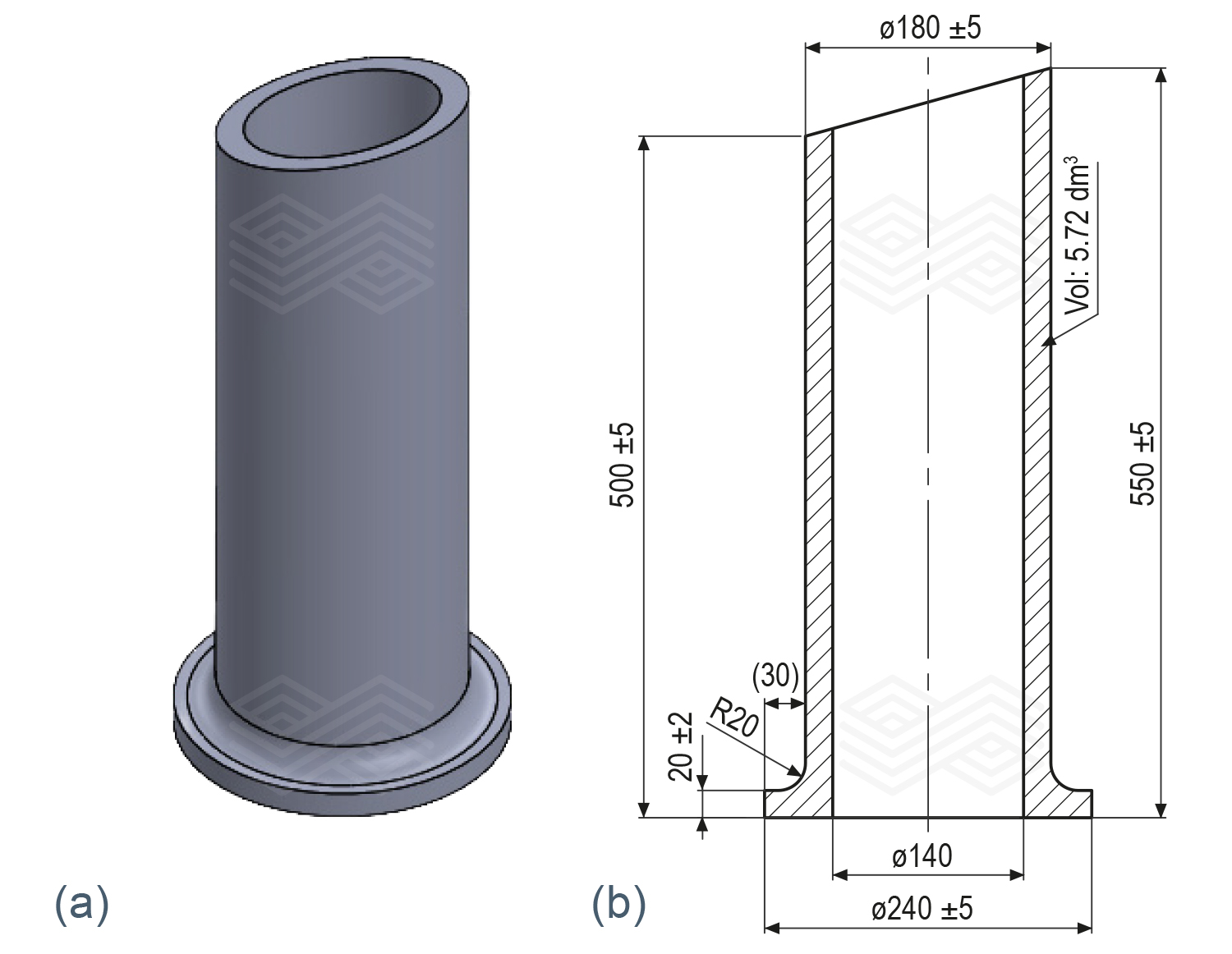
Figure 1. (a) schematic of a starter tube produced with DELTEK M832 and (b) the technical drawing.
Starter tubes are installed in the tundish and used with metering nozzles, nozzle changers, or tundish slide gates (Figure 2). Their main purpose is to delay the flow of liquid steel into the casting channel when the tundish is still empty, cool, or cold. This controlled delay allows the refractory lining to preheat and the steel bath to reach the desired level before casting begins. As a result, the ferrostatic height and elevated temperature in the casting channel enable operators to start the continuous casting process at the desired casting speed, with minimal risk of steel freezing and the need for oxygen lancing. Early flow stabilisation in the sequence also helps to prevent vortex formation and improves mould level control. Another key function of starter tubes is to promote inclusion flotation, which is essential for clean steelmaking.
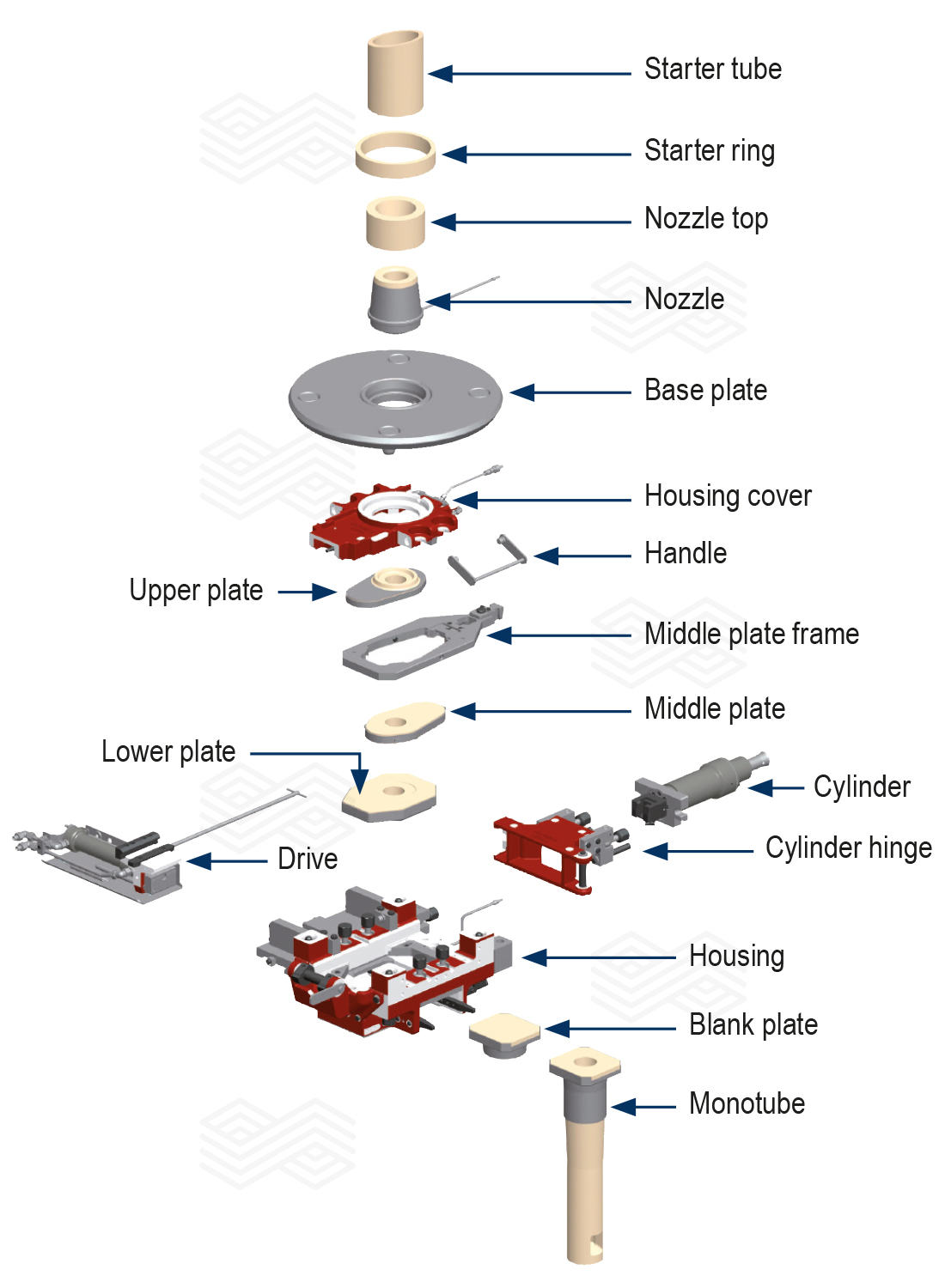
Figure 2. Main components and starter tube configuration in the Tundish Gate Submerged Nozzle Changer (Type 33QC-SNC/A).
As the bath level rises, slag and loose particles from the newly lined tundish float on the steel surface. The use of a floating starter ring, in combination with the starter tube, helps prevent these impurities from entering the casting channel and is common practice in most operations (Figure 3). Once the bath reaches its nominal height, the starter tube has fulfilled its function and typically breaks, floats up, or gradually dissolves into the slag.
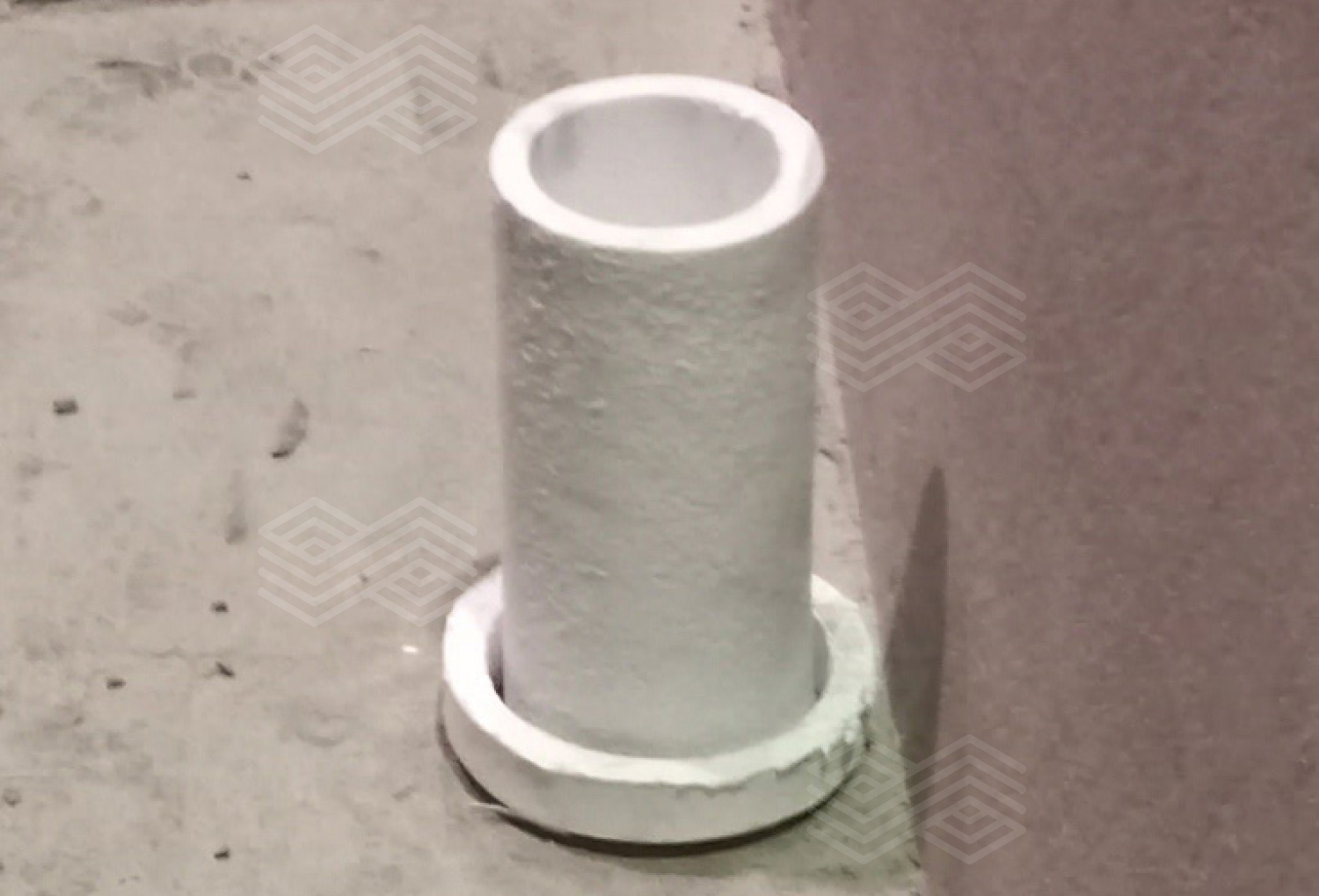
Figure 3. Starter tube and starter ring installed in a tundish.
In multi-strand tundishes, the height of the starter tubes typically varies between strands to stagger the start-up sequence. The central strands usually start first with shorter starter tubes, while the outer strands use progressively longer ones (Figure 4a). This time-shifted start helps the steel bath temperature to homogenise before full casting operation begins. In cases with higher superheat, the arrangement is reversed—the centre strands are equipped with the longest starter tubes (Figure 4b). Another advantage of using starter tubes is eliminating the need for filler sand.
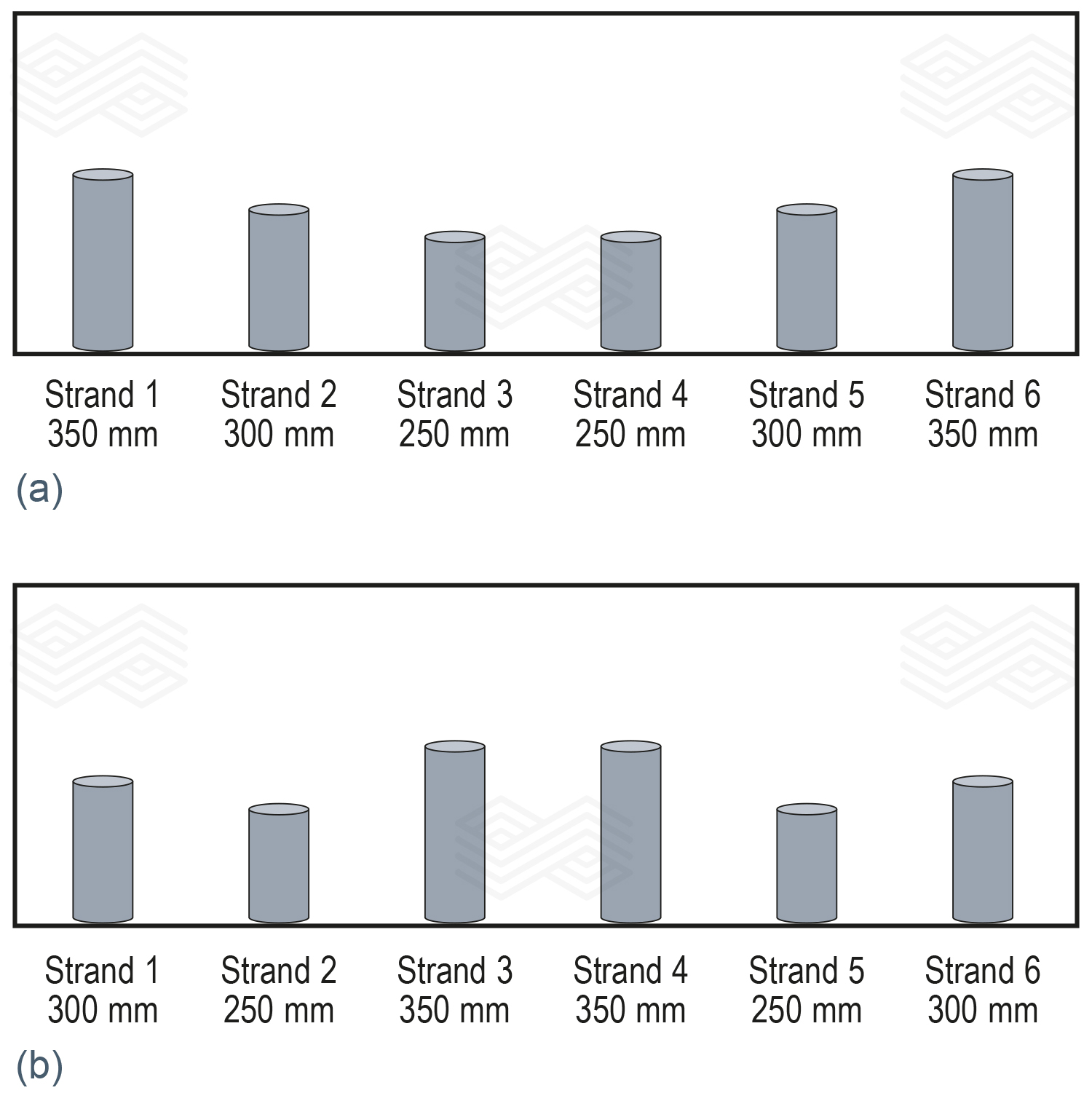
Figure 4. Examples of starter tube arrangements and height variations for (a) standard multi-strand tundish casting and (b) operations with higher superheat.
For the present study, the isostatic pressing method was selected for starter tube production, as it enables the manufacture of robust products that are less sensitive to handling and will float up during the first heat, in accordance with operational requirements. As detailed in the following sections, the newly developed DELTEK M832 grade was comprehensively characterised using analytical and microscopy techniques and exhibited properties suitable for industrial application. The starter tubes were successfully tested and implemented at various customer sites, including SAIL’s Bhilai Steel Plant (India) and GPH Ispat (Bangladesh). Additionally, SENs incorporating DELTEK M832 have been manufactured and are demonstrating good performance during short sequence casting operations.
Reclaimed refractory materials are routinely processed at RHI Magnesita’s Bhiwadi plant (India), where spent refractories are cleaned, crushed, and sieved for reuse in a range of flow control products. This long-established practice of circular raw material utilisation provides both significant sustainability benefits and cost advantages, aligning with the company’s recycling targets and forming a key element of the plant’s production strategy. To maximise the reuse of all available circular material fractions, new product formulations are continuously developed and optimised. One such development is the DELTEK M832 grade, containing >65 wt.% fine circular MgO-Al2O3-C raw material and designed for the production of isostatically pressed starter tubes as well as SEN bodies used in short casting sequences.
Stringent quality-control measures are applied throughout the recycling and production processes, for example regarding the chemical composition, carbon content, and particle size distribution of the circular MgO-Al2O3-C fractions. An example of recycled MgO-Al2O3-C raw material produced at the plant is summarised in Table I, illustrating the conformity of a 1.5-tonne batch with some of the established quality parameters.
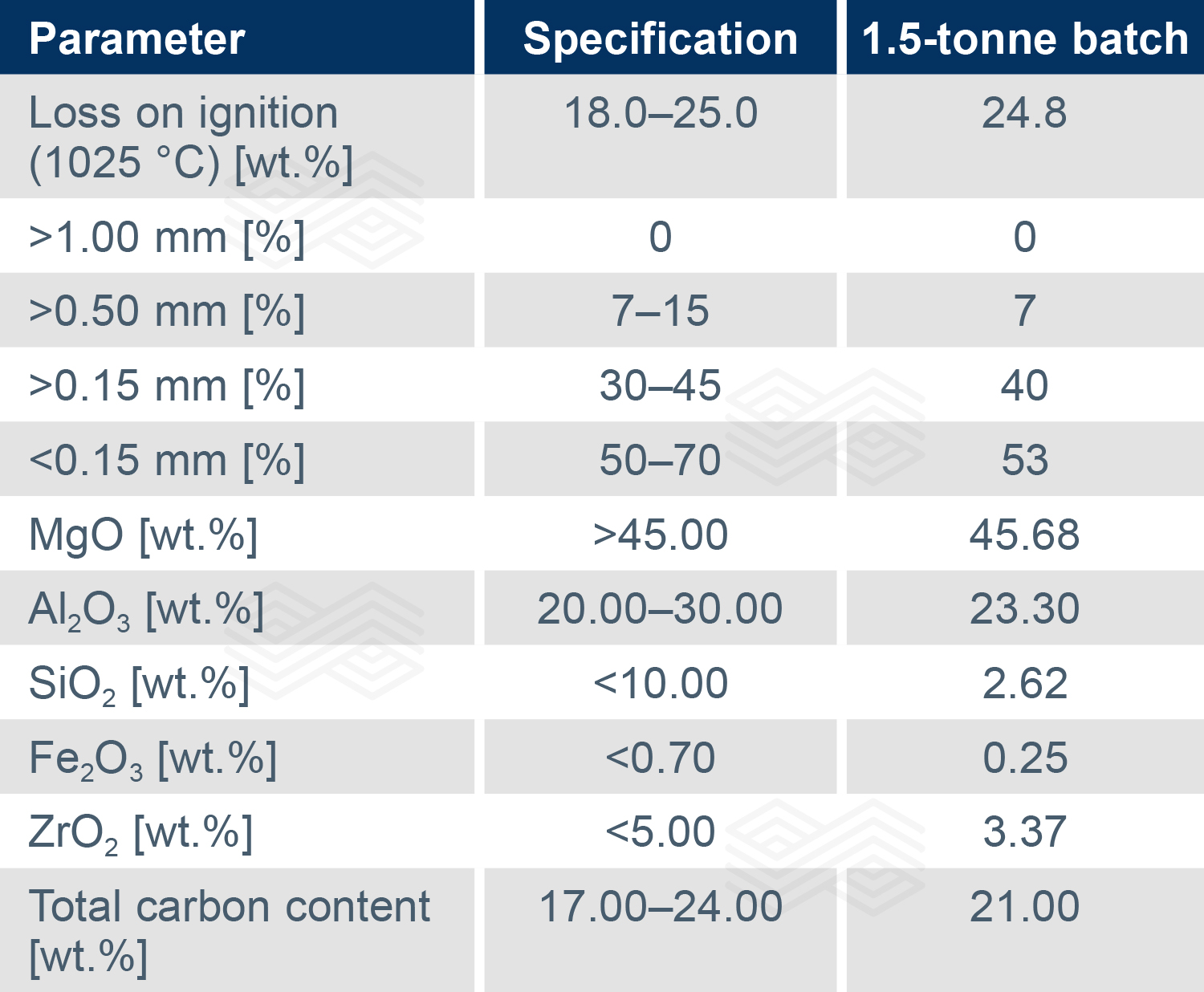
Table I. Chemical composition and particle size distribution specifications of the circular MgO-Al2O3-C raw material used for refractory production and the results of a 1.5-tonne batch.
To enable incorporation of >65 wt.% circular MgO-Al2O3-C raw material into DELTEK M832, the grain size distribution required careful optimisation. For example, finer circular raw material was found to provide improved mixing and uniform consistency, enabling the necessary specifications to be achieved. Table II provides representative chemical and physical properties of DELTEK M832 alongside the specifications.
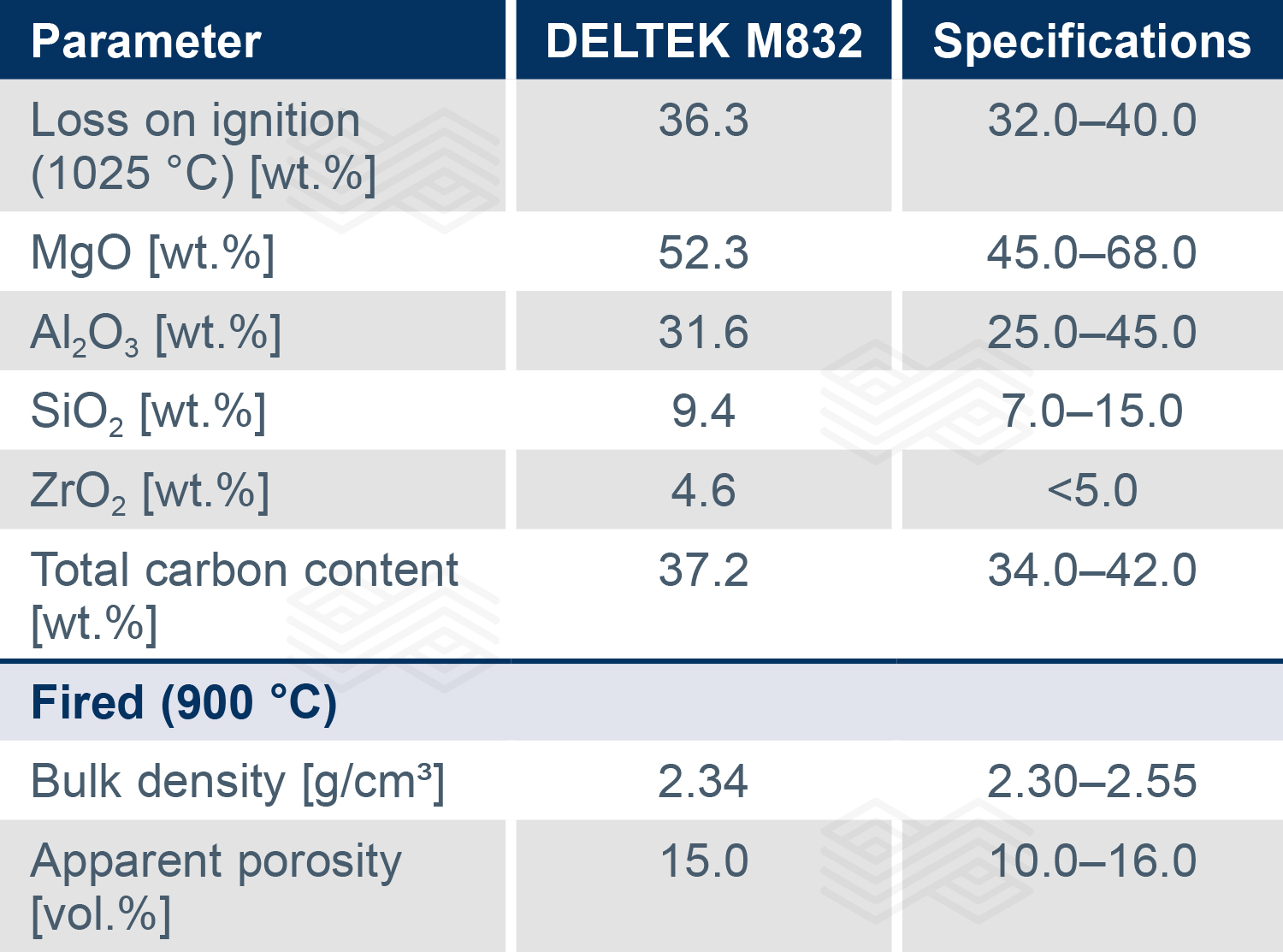
Table II. Chemical and physical properties of DELTEK M832 and the specifications.
As this grade was also developed for SEN applications, achieving an appropriate pore-size distribution (e.g., D10 ≈ 0.03 μm and D50 ≈ 0.65 μm) was essential and measured as a standard parameter. Dilatometry confirmed that the thermal expansion behaviour of the new grade was compatible with the other materials used in the product. Additionally, X-ray diffraction analysis identified the mineral phases present, which included periclase, corundum, and graphite.
Optical microscopy revealed a homogeneous distribution of the periclase and corundum grains within DELTEK M832, together with a uniform dispersion of graphite in which antioxidants were finely distributed (Figure 5). The matrix structure and phase distribution were further examined using scanning electron microscopy and elemental mapping, which confirmed the overall microstructural uniformity of the material (Figure 6).
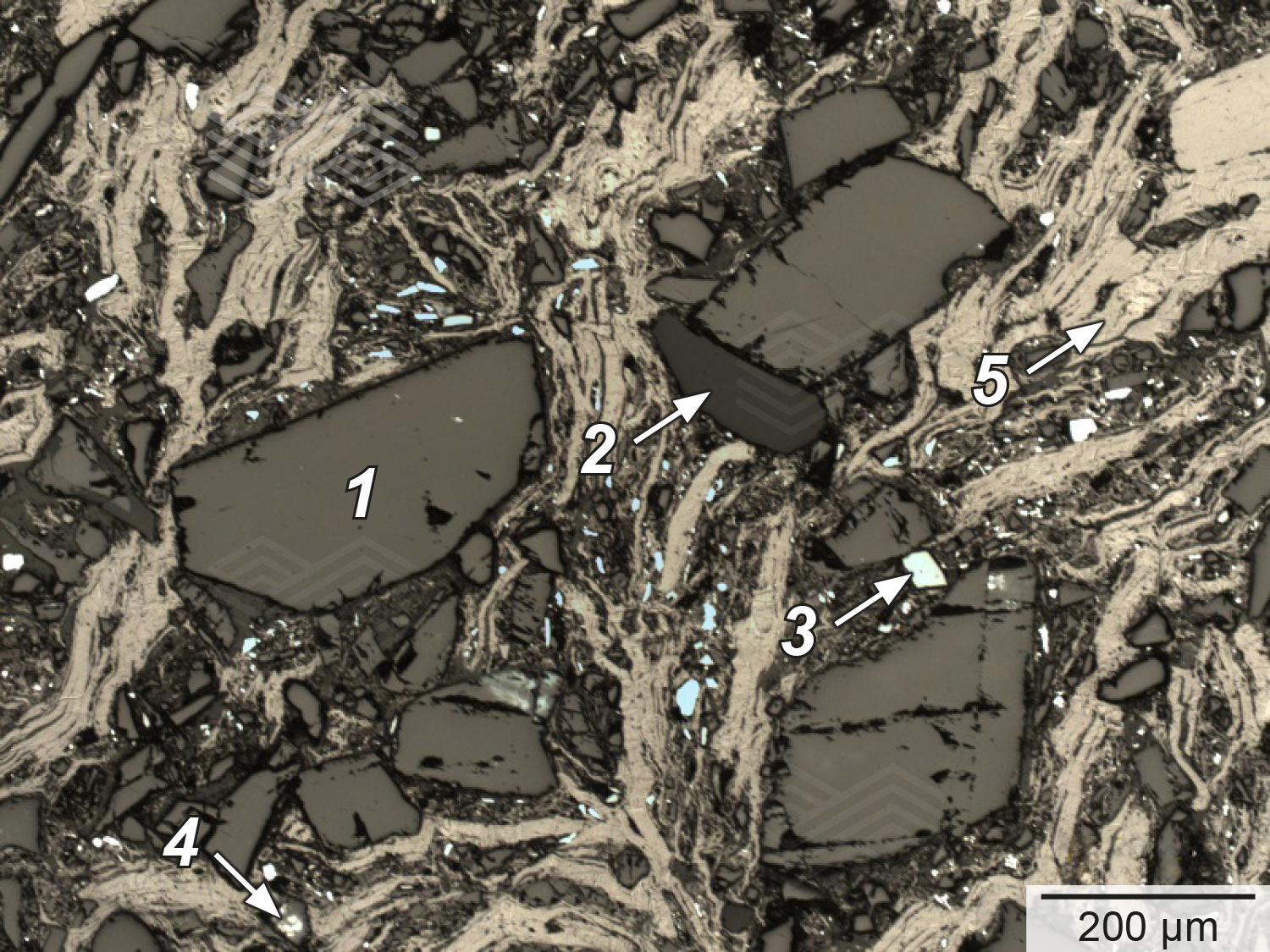
Figure 5. Optical micrograph of DELTEK M832 showing homogeneous distribution of periclase (1), fused silica (2), antioxidants (3), corundum (4), and graphite (5).
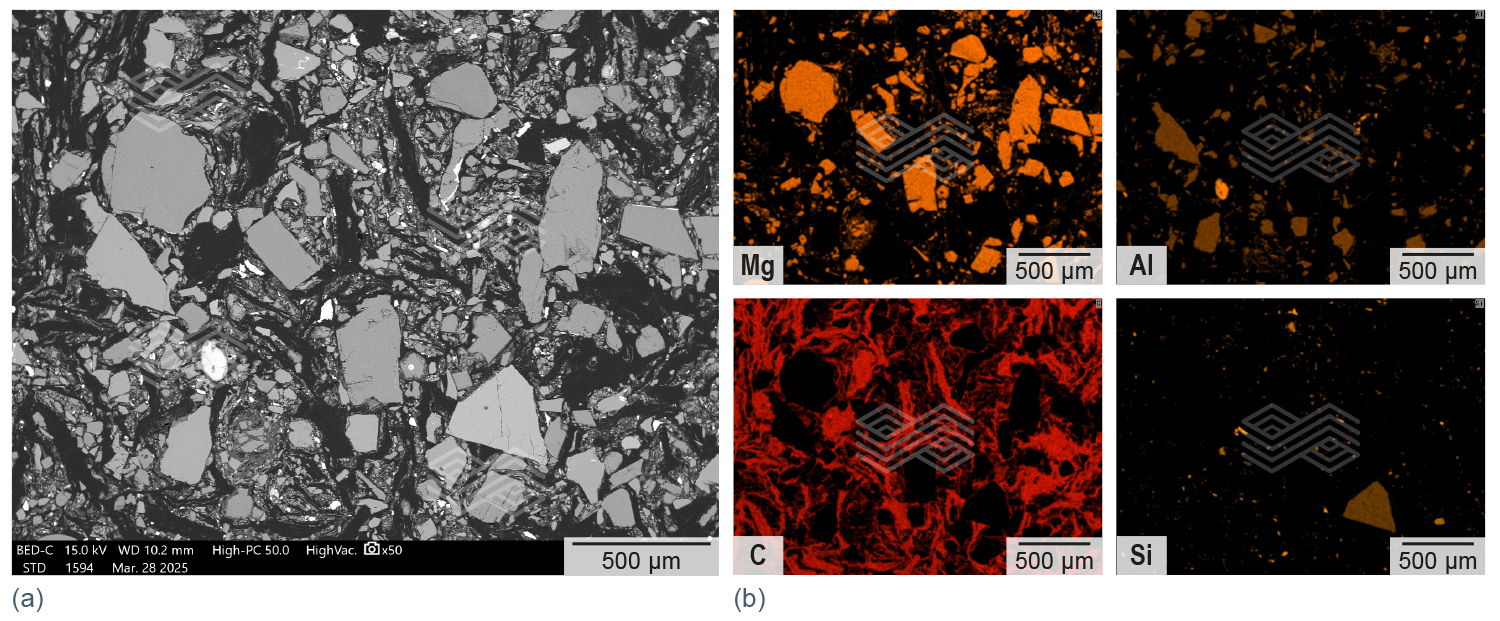
Figure 6. DELTEK M832: (a) scanning electron micrographs and (b) elemental mapping showing Mg, Al, C, and Si.
An important objective of the project was to produce starter tubes with sufficient mechanical strength to withstand installation in the tundish and various preheating practices, while also ensuring that each tube floated during the first heat—once casting had stabilised. Accordingly, a typical MOR value of 4.5 N/mm2 was targeted and achieved through recipe optimisation and antioxidant selection.
At RHI Magnesita, the product carbon footprint (PCF) is determined in accordance with ISO 14067 [5]. Based on this methodology, incorporating >65 wt.% circular MgO-Al2O3-C raw material resulted in a PCF of 1.417 tonnes of CO2 equivalent per tonne of product (t CO2e/tproduct) for DELTEK M832—representing a 43% reduction compared with the established DELTEK grade used for the body of SENs used in short sequence applications (i.e., 2.522 t CO2e/tproduct).
Sustainable steelmaking increasingly relies on reducing the environmental impact of all process inputs, including the refractories used in continuous casting. Isostatically pressed flow control products are essential for process stability and product quality; however, their carbon-containing formulations contribute significantly to CO2 emissions. While refractory recycling offers clear environmental and economic advantages, to fully realise these benefits requires identifying suitable applications for all circular raw material fractions generated during sorting and comminution.
RHI Magnesita’s Bhiwadi plant, a key producer of isostatically pressed products, has well-established facilities for processing reclaimed refractories and continuously develops new grades to ensure that the circular raw materials generated on-site—including fine fractions—are effectively reintroduced into new flow control products. This approach led to the development of DELTEK M832, a grade containing >65 wt.% fine MgO-Al2O3-C circular raw material, designed for isostatically pressed starter tubes and the bodies of SENs used in short sequence steel casting.
The target of producing starter tubes with sufficient mechanical strength to withstand tundish installation and various preheating practices was achieved, as well as the operational requirement that they float up during the first heat, after casting has stabilised. The PCF of DELTEK M832 (i.e., 1.417 t CO2e/tproduct) is 43% lower than that of the standard grade used for this type of SEN application (i.e., 2.522 t CO2e/tproduct). To date, lower-carbon flow control products produced with DELTEK M832 have been supplied to 19 customers, both locally and internationally, delivering clear sustainability gains alongside strong operational performance.
[1] Kusiorowski, R. MgO-ZrO2 Refractory Ceramics Based on Recycled Magnesia-Carbon Bricks. Construction and Building Materials. 2020, 231, 117084.
[2] “Establishing a Framework for Ensuring a Secure and Sustainable Supply of Critical Raw Materials and Amending Regulations (EU) No 168/2013, (EU) 2018/858, (EU) 2018/1724 and (EU) 2019/1020”. Regulation (EU) 2024/1252 of the European Parliament and of the Council of 11 April 2024.
https://eur-lex.europa.eu/legal-content/EN/TXT/HTML/?uri=OJ:L_202401252
[3] Gueguen, G., Hartenstein, J. and Fricke-Begemann, C. Raw Materials Challenges in Refractory Application. Proceedings of the 57th International Colloquium on Refractories (ICR), Aachen, Germany, September 24–25, 2014.
[4] Neuböck, R., Nitzl, G., Eglsäer, C. and Ehrengruber, R. Clean Steel Casting Technology. Bulletin. 2024, 60–67.
[5] Joos-Bloch, M., Rechberger, L., Haider, C., Moulin-Silva, W., Wucher, J. and Drnek, T. Product Carbon Footprint of Refractory Products. Bulletin. 2023, 39–44.