Planet
Tackling Climate Change
Reducing carbon emissions is a key priority for RHI Magnesita. In addition to charting its own transition, the Group want to be a trusted partner to its customers on their journey to a low carbon economy.
Strategy
As an energy-intensive industrial producer, RHI Magnesita will focus on decarbonising the main steps of its production process but also on supporting customers on their journey towards a low carbon economy. The Group’s carbon footprint shows that 50% of its emissions are direct emissions (Scope 1). The short term target is a 15% reduction in CO2 emissions intensity for Scope 1, 2 (emissions caused indirectly by the company when the energy it uses is produced) and 3 (emissions caused by suppliers on the company’s value chain) (raw materials) by 2025, as compared to 2018 levels.
The climate strategy is based on:
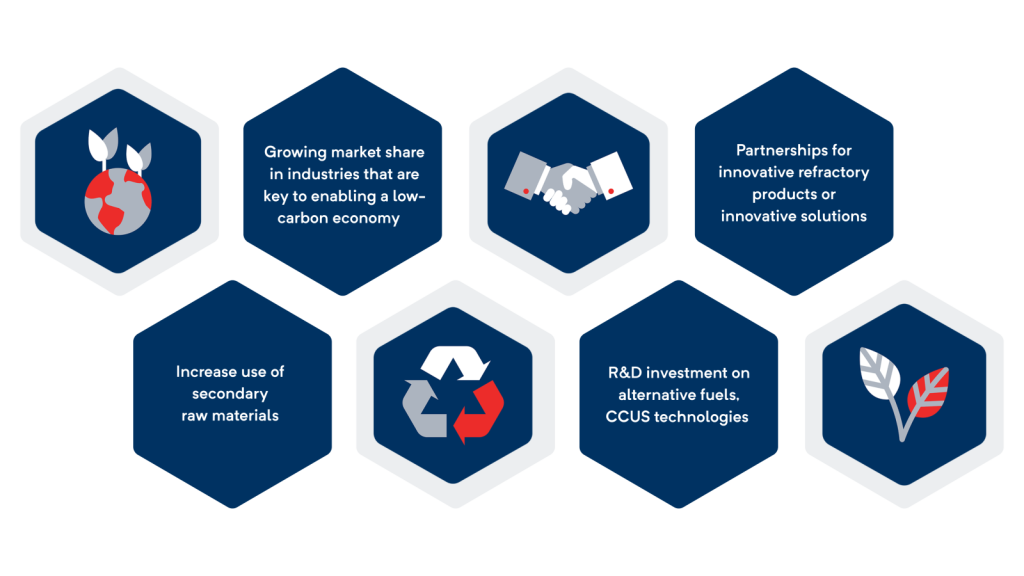
- Reducing the carbon footprint of raw materials, including through the increased use of circular raw materials;
- Increasing energy efficiency in operations;
- Reducing the carbon intensity of energy sources;
- Providing innovative solutions to reduce customer emissions.
RHI Magnesita’s path towards a low carbon economy considers the implementation of breakthrough technologies and investment. Government support and a level playing field will be essential to ensure it can remain competitive. It also needs green energy in sufficient quantities and at competitive prices, more responsive “smart” electricity networks to help reduce emissions, and the necessary infrastructure for transportation and sequestration of CO2.
Risk
Climate change represents both strategic and operational risks to RHI Magnesita’s business. These are grouped as physical risks and transitional risks. Physical risks include greater severity of flooding, droughts or other extreme weather events which could disrupt operations or supply chain. Transitional risks range from new regulatory frameworks and market dynamics, technology and investor expectations related to climate change.
The Group updated climate-related risk analysis, highlighting increased financial risk from carbon pricing, notably due to CBAM (Carbon Border Adjustment Mechanism) implementation in the EU, which is an EU policy instrument designed to level the playing field for domestic producers subject to carbon pricing by implementing a carbon-based import tariff on goods from countries without equivalent carbon pricing. RHI Magnesita also refreshed its physical climate risk assessment, considering IPCC (Intergovernmental Panel on Climate Change) scenarios, assessing 29 categories of hazards. Find more details on climate governance, strategy, and risk management on the Group’s Task Force on Climate-Related Financial Disclosures (TCFD) reports.
Decarbonisation of Refractory Production
Refractory production is a ‘hard to abate’ industry. Raw material processing typically relies on fossil fuels to ignite and burn carbonate rock, leading to CO2 emissions. Additionally, the manufacturing process demands significant amount of energy, which generates additional emissions. Finally, the transportation and delivery of refractory products to customers worldwide also contribute to emissions. These geogenic emissions are classified as Scope 1* when resulting from the Group’s own production or Scope 3 in the case of externally purchased raw materials. Significant energy is also required for firing of products in the refractory manufacturing stage. Further emissions are generated in the shipping and distribution of refractory products to customers worldwide.
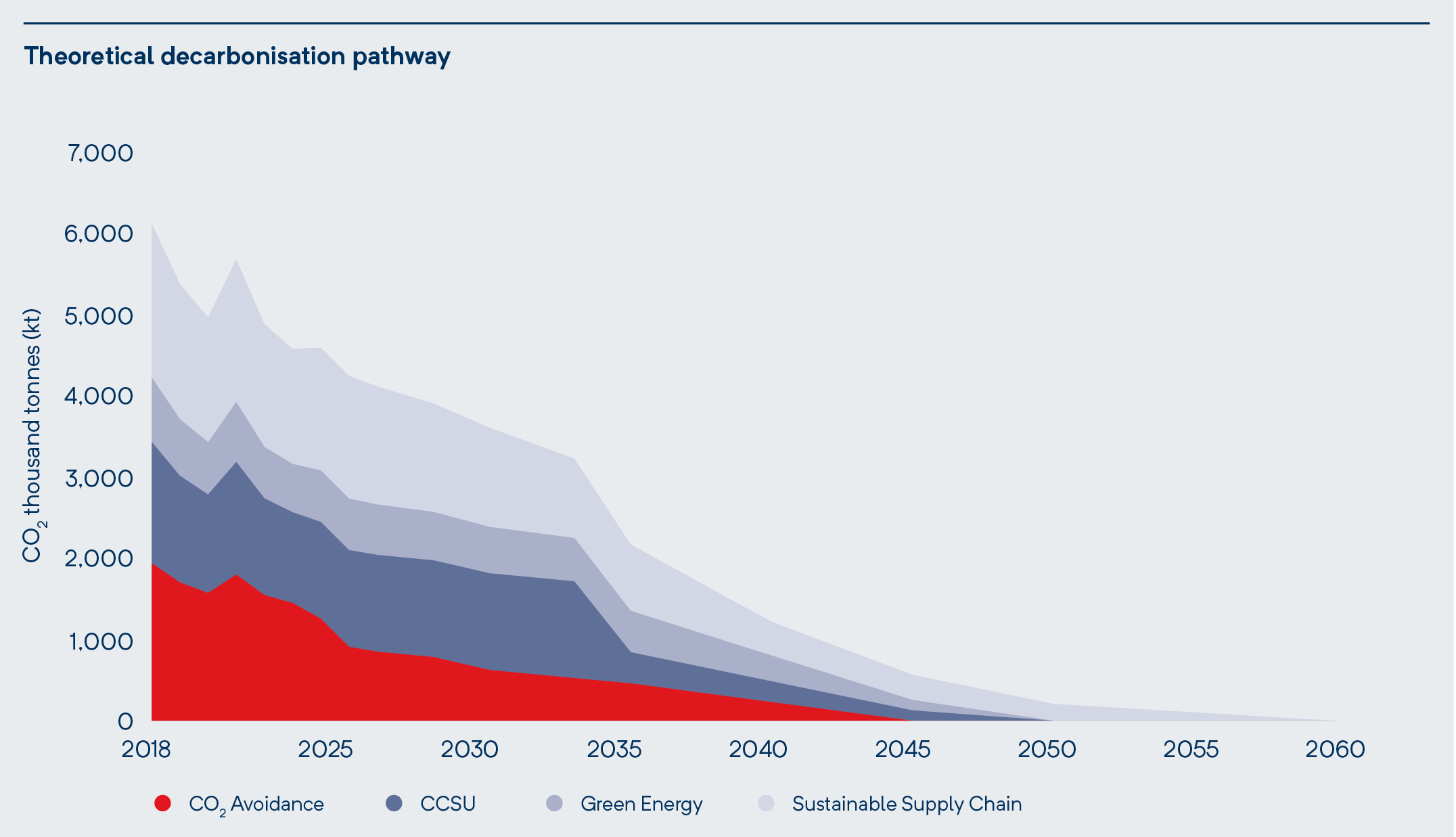
Through its investment in research and development of emissions avoidance or reduction technologies, the Group has developed a theoretical pathway to decrease its Scope 1, Scope 2 and Scope 3 (raw materials) carbon emissions from refractory production to close to zero.
* Scope 1 covers emissions from sources that an organisation owns or controls directly – for example from burning fuel in our fleet of vehicles (if they’re not electrically-powered)
* Scope 2 are emissions that a company causes indirectly when the energy it purchases and uses is produced. For example, for our electric fleet vehicles the emissions from the generation of the electricity they’re powered by would fall into this category.
* Scope 3 encompasses emissions that are not produced by the company itself, and not the result of activities from assets owned or controlled by them, but by those that it’s indirectly responsible for, up and down its value chain. An example of this is when we buy, use and dispose of products from suppliers. Scope 3 emissions include all sources not within the scope 1 and 2 boundaries.
The required measures have been prioritized in order of deliverability. The first stage of CO2 emissions reduction is to be delivered through measures which can be implemented by the Group without significant external support, including increased use of recycled raw materials, fuel switches and energy efficiency measures. It is estimated that these measures could deliver an absolute reduction of around 1 million tonnes of CO2 emissions, or 20% of the baseline total by 2035. Beyond this initial reduction, decarbonization measures become progressively harder to deliver. Recycling has a natural ceiling since refractories are consumed during use and only residual materials can be reclaimed, whilst fuel switches to natural gas only offer a partial reduction. The pathway for stages 2 to 4 is reliant on the provision of (i) new infrastructure or renewable energy sources such as hydrogen by outside parties; (ii) the use of technologies which do not yet exist or are not proven at pilot or production scale and (iii) significant capital expenditure, which may not be possible for the company to generate from its existing operations, obtain from its finance providers or receive via government funding.
Theoretical decarbonisation pathway
Decarbonisation Commitment
Working within these limitations, RHI Magnesita is committed to:
1. Leading the refractory industry by decarbonizing its operations as fast as sustainably possible
2. Annually updating its decarbonization pathway based on the latest developments in technology, infrastructure and estimated capital expenditure
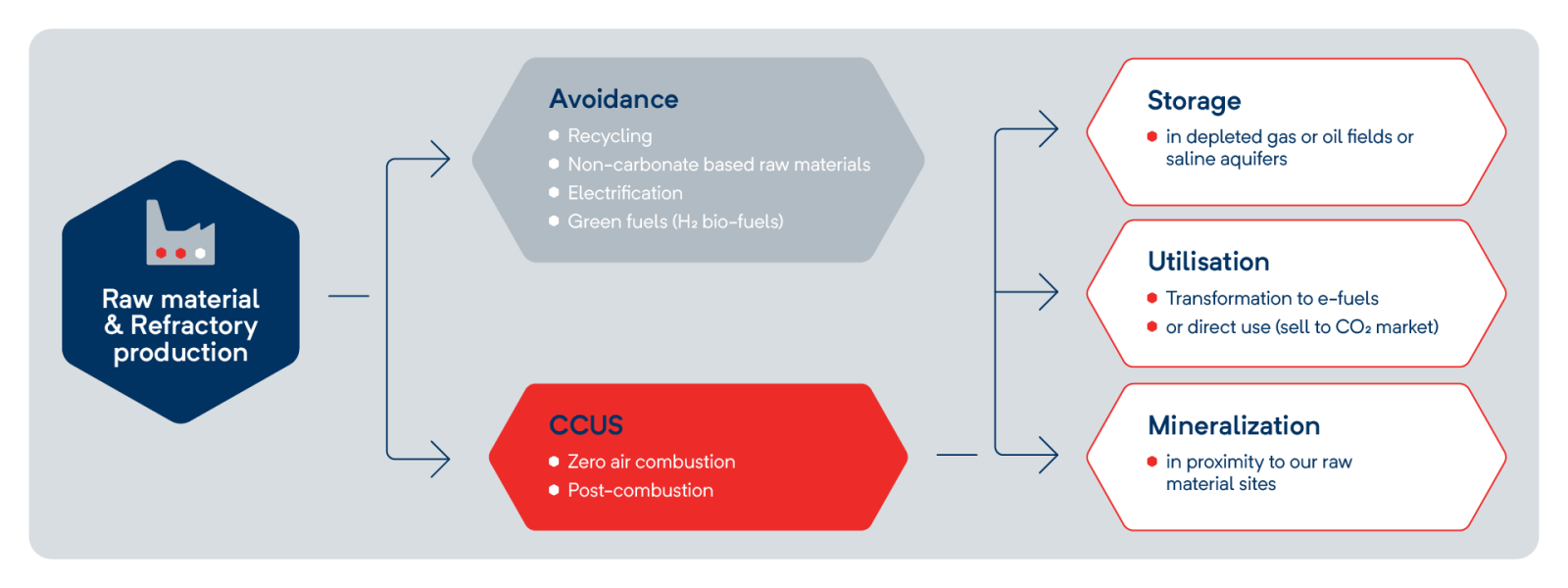
3. Continuing to invest in the development of new technologies to avoid CO2 emissions, proving technical readiness to use alternative low-carbon energy sources and to capture CO2 emissions for storage or utilisation
4. Offering customers enabling technologies for their own low-carbon production technologies together with low-carbon products and heat management solutions (with full transparency on carbon footprint) to enable them to reduce their Scope 3 (indirect) CO2 emissions from the purchase of refractories
5. Lobbying governments to invest in the necessary infrastructure to decarbonize the refractory, and other energy intensive, industries, including additional renewable energy generation, hydrogen supply networks, CO2 transportation and storage and carbon capture and utilization technologies
6. Collaborating with partners in the private sector to develop new renewable energy solutions, hydrogen energy networks and carbon capture and utilization technologies
Offsetting Carbon Emissions
The Group has significant CO2 emissions within its own value chain and there are large emissions savings that can be delivered for its customers through improved heat management or other solutions. The Board therefore considers that the priority should be to allocate capital and other resources to reducing the Group’s own CO2 footprint and the emissions of its customers rather than investing in carbon offset projects. The Board believes that taking this approach will deliver a faster, greater and more sustainable decrease in net CO2 emissions than could be delivered by allocating capital to offsets.
Pioneering Carbon Capture and Utilisation (CCU)
Refractory production is energy intensive and as a hard-to abate industry, it is difficult to fully decarbonise. We are working to reduce emissions across our operations by improving energy efficiency, increasing the use of renewable electricity and exploring alternative fuels.
At the same time, we are investing in breakthrough technologies such as carbon capture and utilisation. Through partnerships with technology innovators, we are developing solutions that can capture industrial CO₂ emissions and convert them into valuable mineral materials. These innovations have the potential to support decarbonisation not only within our industry but across other sectors as well.
More information about Carbon Capture and Utilization here.
Recycling and the circular economy
RHI Magnesita has significant CO2 emissions within its own value chain and there are large emissions savings that can be delivered for its customers through improved heat management or other solutions. The Board of Directors therefore prioritizes the allocation of capital and other resources towards reducing the Group’s own CO2 footprint and the emissions of its customers rather than investing in carbon offset projects. Taking this approach will deliver a faster, greater and more sustainable decrease in net CO2 emissions than could be delivered by allocating capital to offsets.
Targets and Progress
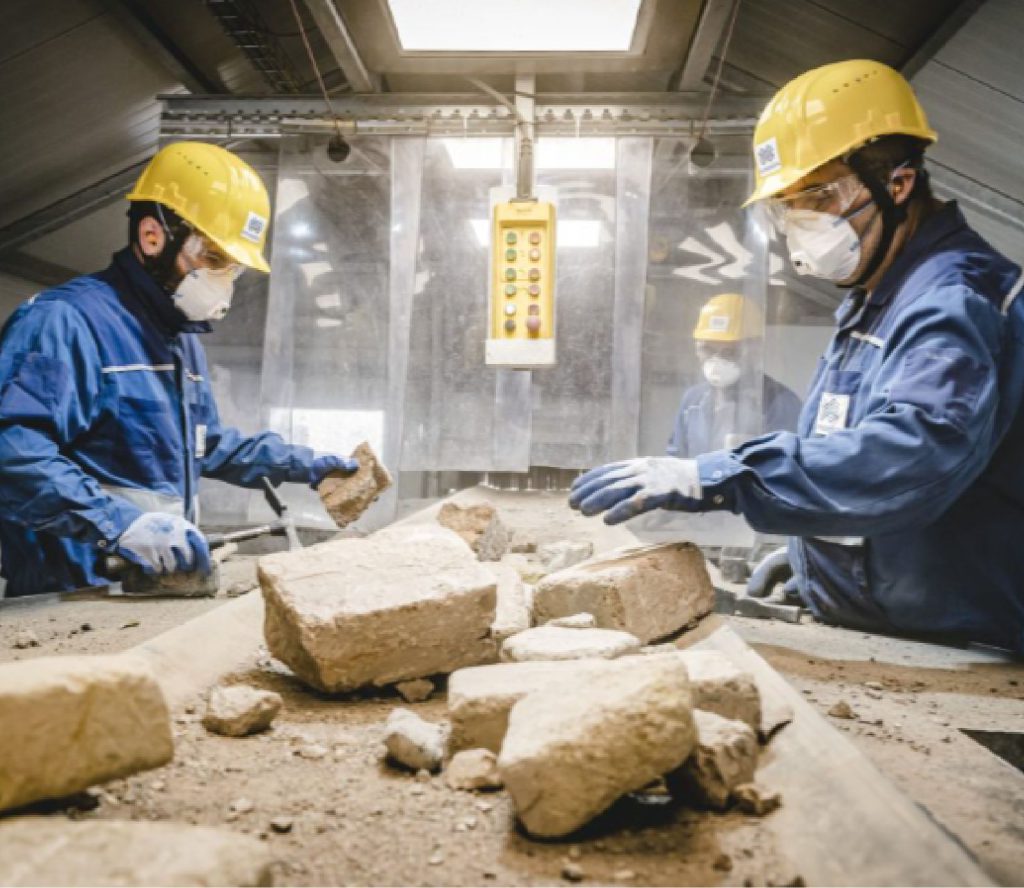
RHI Magnesita leads the refractory industry in the use of circular raw materials. While recycled materials have historically been limited due to reduced performance, the Group has developed new technologies that enable higher recycled content without compromising quality.
In 2025, the recycling rate rose to 15.9%, up from 14.2% in 2024, surpassing the Group’s target of 15% recycled material usage by 2025. This effort aligns with RHI Magnesita’s emissions reduction goal, as increasing the recycling rate is the single most important contributor to achieving the 2030 emissions intensity target.
Approximately half of the Group’s Scope 1 (direct) CO₂ emissions come from carbonate minerals during processing. By replacing virgin raw materials with recycled alternatives, around 1.6 tonnes of CO₂ emissions are avoided for every tonne of material reused—making recycling the most effective short-term solution to reduce emissions.
Innovative Products and Solutions
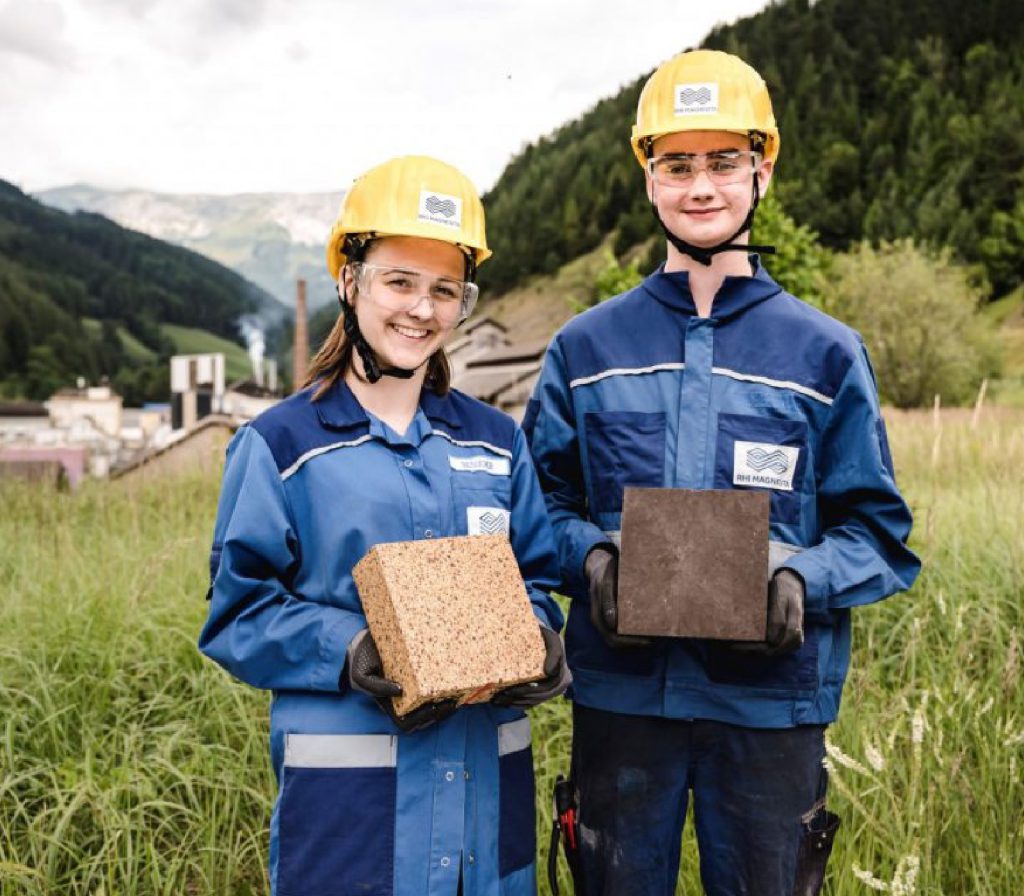
RHI Magnesita continues to expand its portfolio of low-carbon and circular products by integrating recycled raw materials across a range of solutions. These include refractory bricks with high recycled content, such as the ANKRAL LC series, low CO₂ refractory mixes for maintenance applications, circular metallurgical additives that support sustainable steelmaking. Together, these innovations aim to reduce the carbon footprint of industrial processes while maintaining high performance and supporting the transition to a circular economy.
Strategic Partnerships and Collaborations
To expand its recycling capabilities and accelerate the transition to a circular economy, RHI Magnesita has invested strategically in R&D, acquisitions, and infrastructure. Key initiatives include a joint venture with Horn & Co., forming MIRECO and establishing a dedicated recycling facility in Mitterdorf, Austria, which plays a central role in scaling circular raw material use and advancing sustainable production. The acquisition of Refrattari Trezzi further expanded the Group’s recycling activities in Europe.
Through dedicated recycling facilities, strategic partnerships and research initiatives, we are advancing the transition towards a more circular industrial ecosystem.
Ongoing Funded Initiatives
RHI Magnesita launched the ReSoURCE project, a 42-month initiative funded under the Horizon Europe framework. As the project coordinator, the company led the technical direction and coordination, focusing on developing automated multisensor-based sorting solutions for spent refractories, ensuring high accuracy and reliability in material separation, and demonstrating clear sustainability benefits by enabling the recovery and reuse of materials in new applications. Learn more about ReSoURCE.
AbateC is a three-year Austria-China research project collaboration launched in 2024 to explore CO₂ capture and storage in geothermal systems. Led by RHI Magnesita, it focuses on reducing emissions at its dolomite plant in Chizhou, China, by converting CO₂ into stable underground minerals — advancing large-scale decarbonization through global scientific and industrial collaboration.
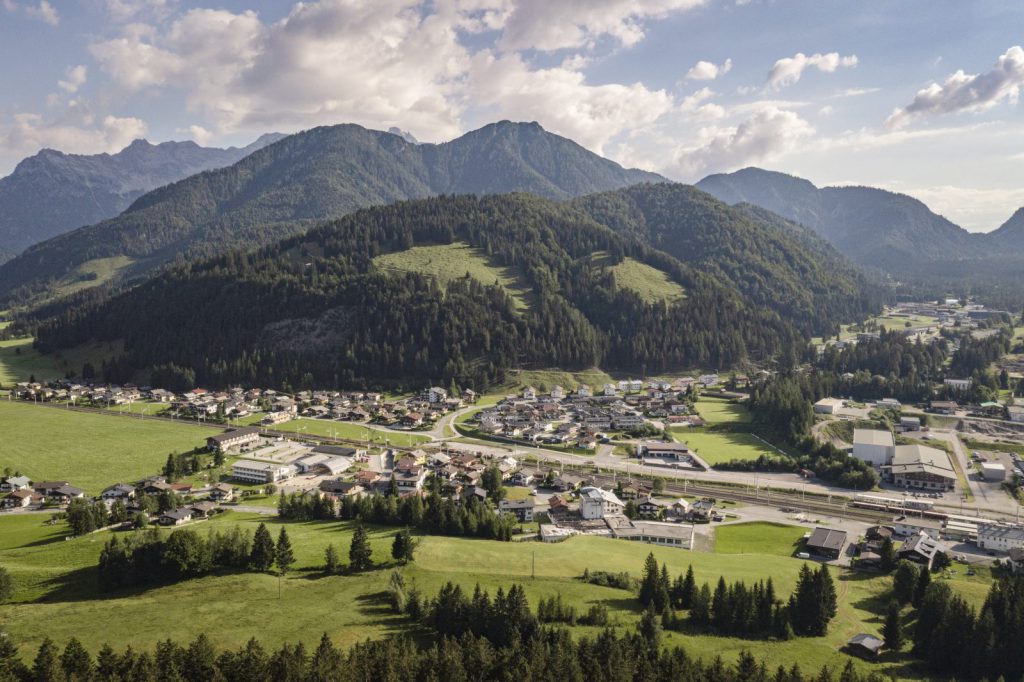
CCUpScale is a three-year Austria–Australia collaboration to scale carbon capture in the refractory industry. Led by RHI Magnesita, it will build the world’s first CCU pilot plant in Hochfilzen by 2028, turning up to 50,000 tonnes of CO₂ annually into low-carbon products — advancing circular, CO₂-negative solutions for industry through mineral carbonation technology.
HI2 Valley is a seven-year project (2025–2032) co-funded by the European Union and supported by the Clean Hydrogen Partnership aiming to build a large-scale renewable hydrogen economy in Austria’s industrial regions. By decarbonising steel, cement, chemicals, and mobility sectors, it supports EU climate goals and reduces dependence on imported gas. RHI Magnesita participates to regional developments in Carinthia as part of this clean energy transition.
Protecting Nature
Thrive Through Optimized Energy Use
Improving energy performance across our sites is a continuous priority.
We are implementing energy management systems, increasing the use of renewable electricity and exploring future energy carriers such as hydrogen and biomass.
Through operational improvements and technology innovation, we aim to reduce energy intensity and strengthen the long‑term sustainability of our production processes.
In 2025, we achieved a 9% reduction in operational energy intensity, surpassing our target of 5%. Looking ahead, the Group aims to reduce energy consumption by 1% per year until 2030 and to have 90% of its sites certified to ISO 50001.
Renewable energy continued to play a growing role in our energy mix. Approximately 9% of our total energy consumption came from renewable sources, and 95% of the electricity we purchased was low-carbon or renewable. Although Scope 2 emissions increased due to mergers and acquisitions, we continued switching to green electricity wherever feasible. As a result, most electricity consumption in Europe and South America is sourced from renewables, the share of green electricity in China is steadily increasing, and photovoltaic panels have been installed at several plants in China and India.
As part of its long-term decarbonisation planning, RHI Magnesita is advancing hydrogen-ready production trials to ensure future operational readiness. One example is the development of a hydrogen-capable hood kiln, designed to operate flexibly with natural gas, hydrogen, biomass or blended fuels.
Other Air Emissions
RHI Magnesita’s target is to reduce its nitrogen oxides (NOx) and sulphur oxides (SOx) emissions by 30% by 2025 as compared to 2018. This target was already achieved in China in 2021 and the current focus is now on North America. We significantly reduced NOx emissions in York, Pennsylvania, by implementing a two-stage combustion process in the rotary kilns. SOx reduction appliances have also been installed and are successfully reducing emissions.
Water
Responsible water management is essential for protecting local ecosystems and supporting resilient operations. We continuously monitor water use and implement efficiency improvements at our sites.
Local initiatives help protect surrounding water resources and support communities, particularly in regions where water availability may be limited.
Waste
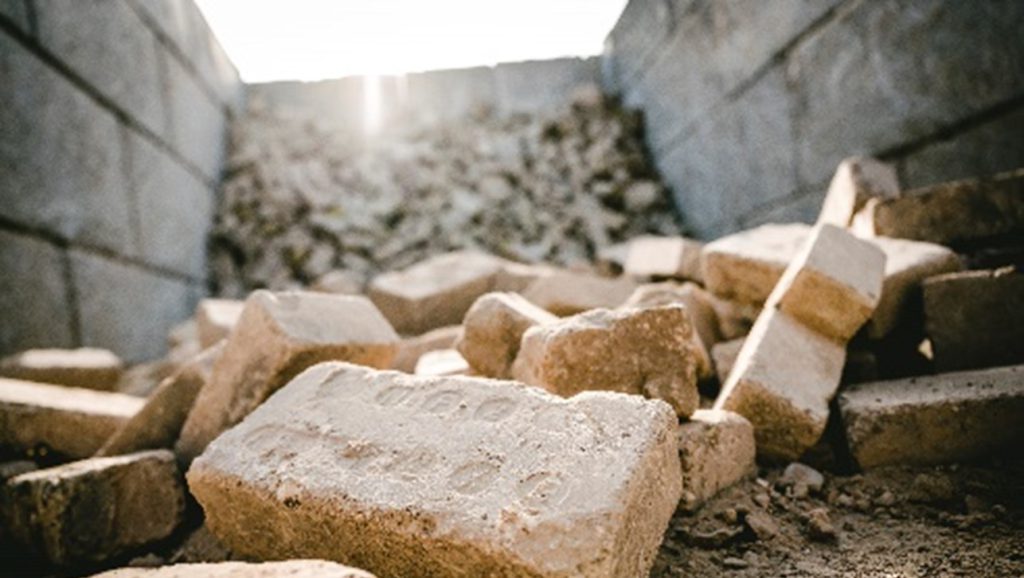
RHI Magnesita also works to drive down waste, using material previously discarded. The new rotary kiln in Brumado will use waste magnesite ore, almost halving the amount of magnesite ore we extract from the local mine, extending the mine’s life by over 70 years. The company also offers to collect waste at customer sites.
Biodiversity
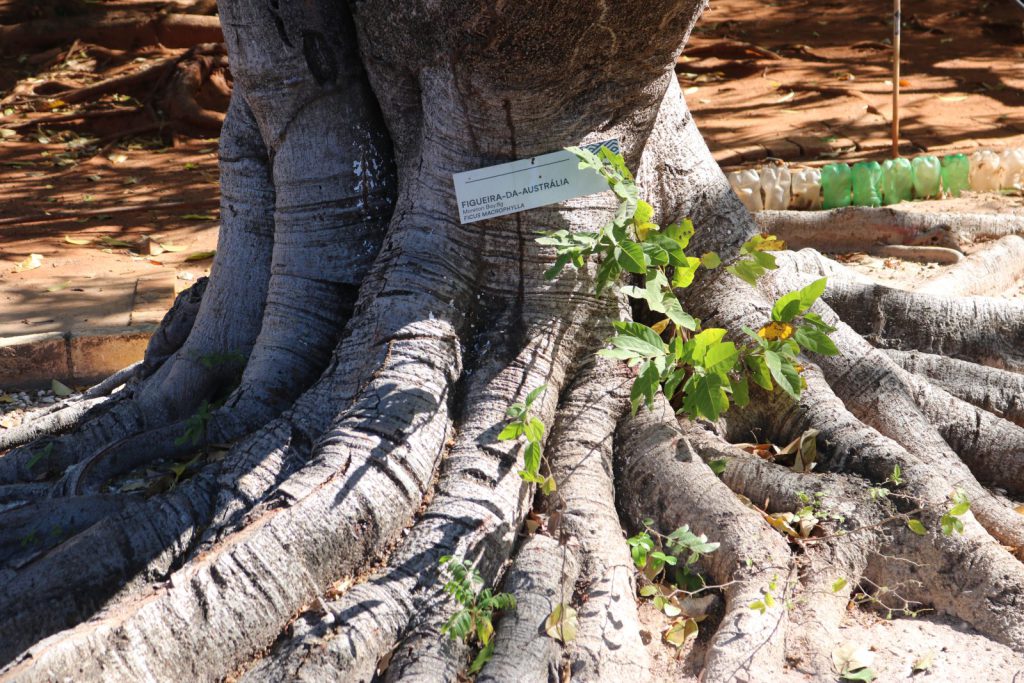
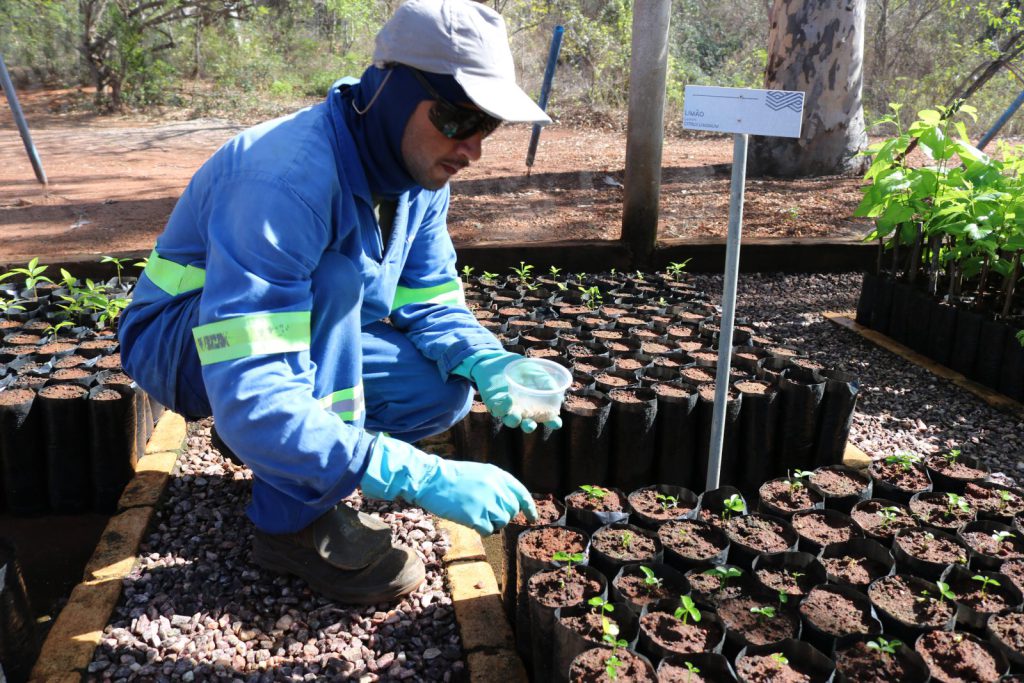
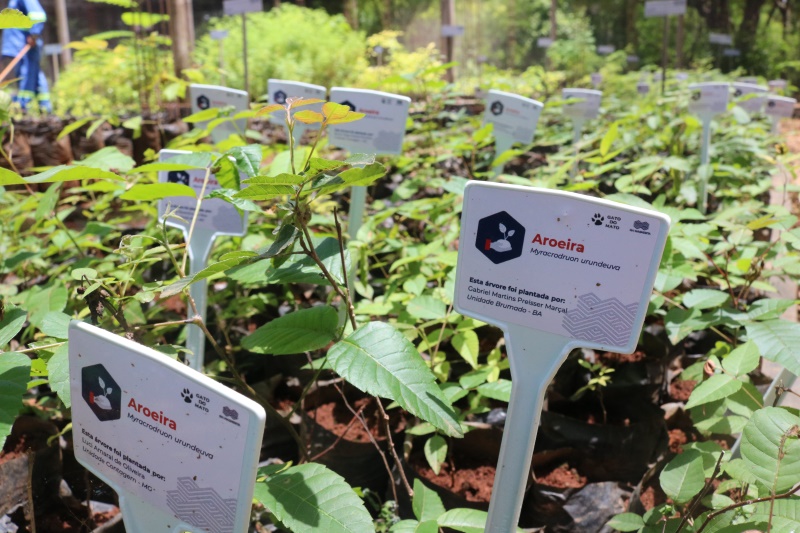
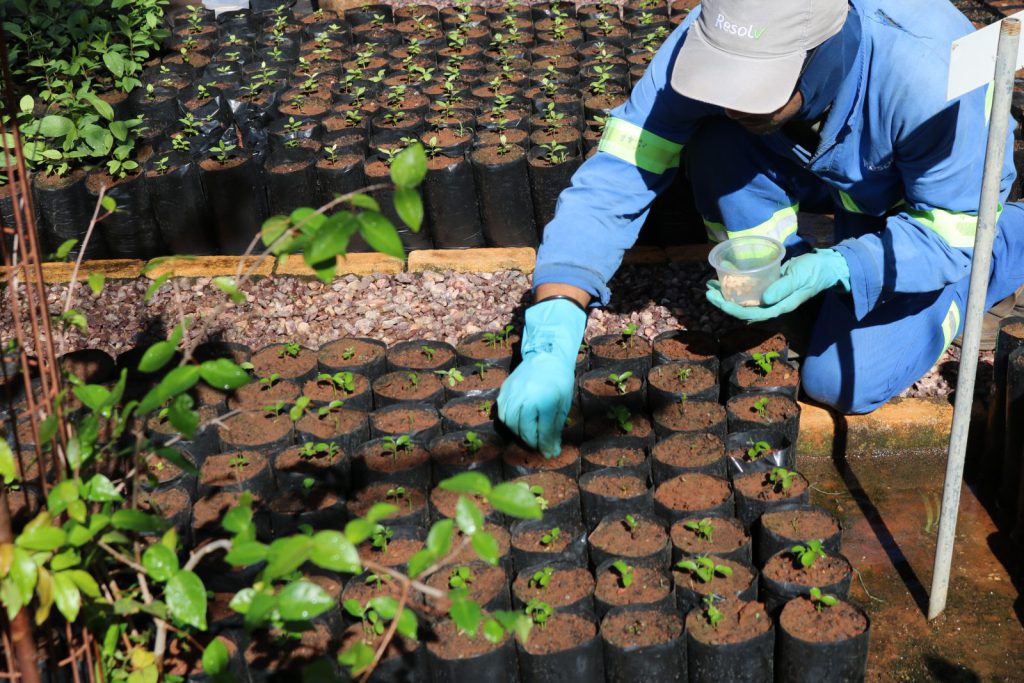
RHI Magnesita is committed to protecting biodiversity at its operational sites and is taking every possible step to minimise impacts on local plant and animal life. We are committed to protecting and restoring ecosystems around our operational sites. Land restoration, reforestation programmes and conservation initiatives help preserve biodiversity and strengthen natural habitats. These activities also create positive impacts for local communities by supporting environmental education and long‑term ecosystem protection.