Subscribe and
Download the 2025 Bulletin
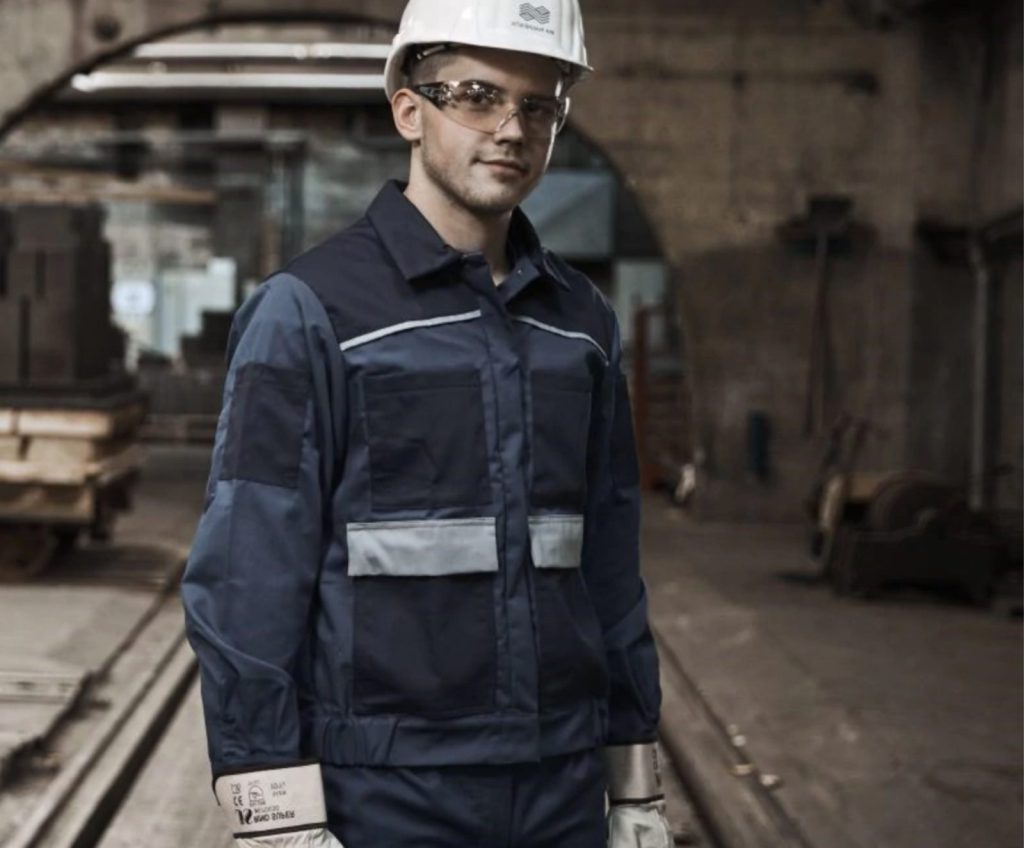
The Bulletin is a scientific trade journal for refractory innovations, in which our specialists inform you about the latest research and development results. In close cooperation with our customers, we report on the latest products and technologies in use. In short: what we do to create benefits for our customers and their processes. As a cross-industry medium for clients, universities, and refractory experts, the Bulletin underlines our claim as technology leader and is evidence of our scientific market leadership.
The Improved Bottom Optimised Solution (IBOS) technology, patented by RHI Magnesita…
To maintain and enhance the competitiveness of RHI Magnesita’s EAF hearth ramming mixes…
Numerous new EAFs are currently being designed and installed globally to reduce the CO2 intensity of steelmaking…
RHI Magnesita has developed suitable tapping systems tailored to XXL EAFs…
The ironmaking industry increasingly seeks accurate modelling of operational variables to predict refractory wear…
To achieve sustainability in the refractory and steel industries, adopting a circular economy…
Thin and medium-thickness slab casting operations impose unique demands on submerged entry nozzle designs…
The optical inspection of kilns, furnaces, and metallurgical vessels to estimate the residual refractory lifetime…
The production of high-quality steel depends on a stable and efficient continuous casting process…
To meet climate goals, the steelmaking industry increasingly demands innovative products with a low carbon footprint…
As part of the so-called green steel transformation, integrated steel plants are looking for solutions to reduce scope 3 CO2 emissions…
RHI Magnesita is a leading supplier of refractory materials for the ferrochrome industry…
RHI Magnesita and MIRECO are deeply committed to advancing sustainability and promoting a circular economy…
Refractories rarely make headlines, yet they make modern life possible. They protect against high temperatures, retain heat, withstand corrosive slags, metals, and other chemically harsh environments, and safeguard the assets that produce our steel, nonferrous metals, cement, and glass. Today, these materials are more than passive linings—they are active levers for decarbonisation, digital control, and resource resilience. This issue brings their broader role into focus—spanning recycling, higher customer yields, smarter lining operations, and process-driven product innovation.
In the steelmaking industry, metal yield is a critical performance indicator directly linked to operational efficiency, cost competitiveness, and sustainability targets. RHI Magnesita’s Improved Bottom Optimised Solution (IBOS) is a patented refractory technology designed to maximise metal yield in secondary steel refining by minimising residual steel after tapping. The system features a fully precast, high-performance refractory ladle bottom engineered to improve flow and reduce waste, while also enhancing occupational safety and ergonomics during installation.
The circular economy is evolving from a desired goal to common practice in the refractory industry. This is evident in “recycling-first” formulations that replace primary minerals without compromising performance; industrial manufacturing systems that extract value from fractions previously destined for landfills; and more rigorous validation in practice. Collectively, these developments lead to lower product carbon footprints and promote more sustainable operations. Fine reclaimed refractory materials that were previously difficult to reuse are now being applied extensively for slag conditioning, advanced fillers, and even future geopolymers. This progress is made possible by new sorting and analysis techniques supported by artificial intelligence.
Digitalisation is transforming how we design, inspect, and operate linings. Predictive models that combine process data with fast, reliable measurements are shifting decision-making upstream—from reactive repairs to planned performance. For example, a data‑driven blast furnace runner wear model gives operators the confidence to extend campaigns safely and avoid unnecessary drainages—saving metal, time, and emissions. 3D laser scanning, together with CAD‑based reference models enable quick and accurate measurement of refractory wear in nonferrous furnaces—without waiting for full cool‑downs or perfect baseline scans. These digital advancements represent further ways RHI Magnesita supports more efficient metallurgical operations.
Many thanks to all colleagues, customers, and editorial staff worldwide who helped put this issue together—and thank you for joining us on this journey into the world of refractories.
Yours sincerely
 |
Thomas Prietl
Head of Global R&D and Innovation |
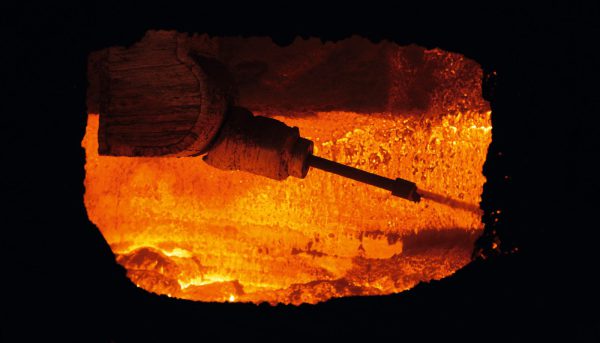
Three decades of collaboration, innovation, and trust…
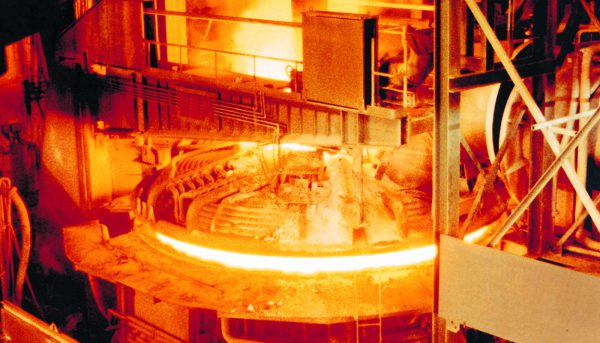
Building on the record-setting performance…
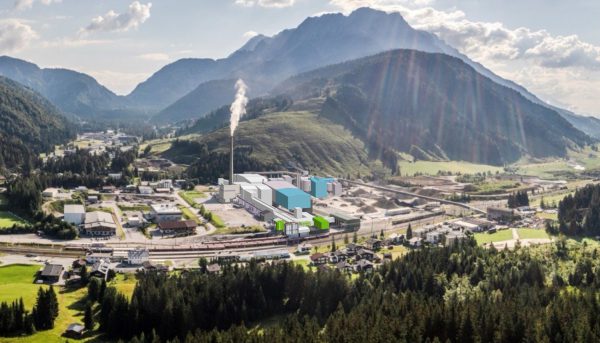
One year into the CCUpScale project…
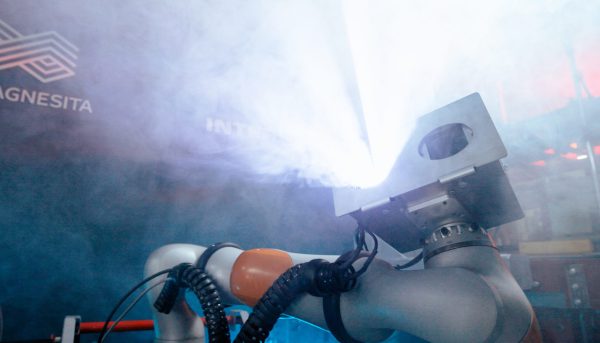
RHI Magnesita has entered into a strategic collaboration with Polytec…
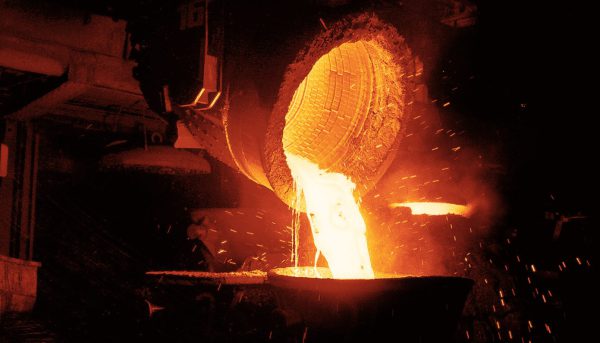
Iraeta Energy Equipment Co., Ltd., has renewed its EAF and ladle contract…
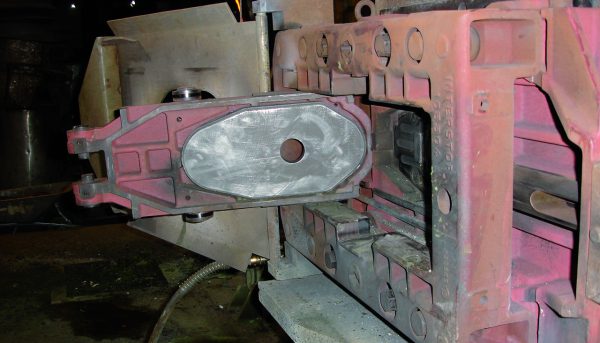
RHI Magnesita has successfully completed the acquisition…
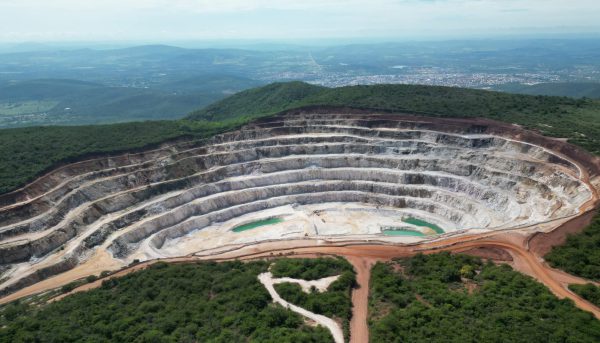
RHI Magnesita is reinforcing Brazil’s growing role…
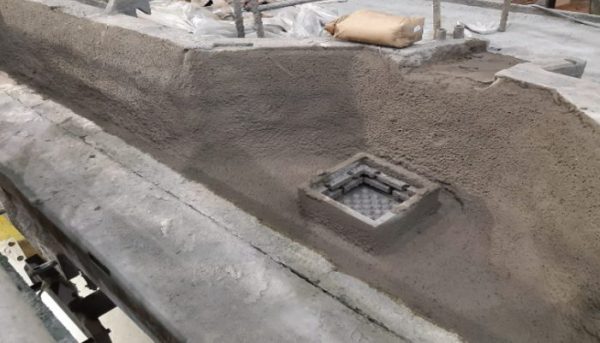
Aligned with the global transition to low-carbon steelmaking…

RHI Magnesita is transforming refractory management…
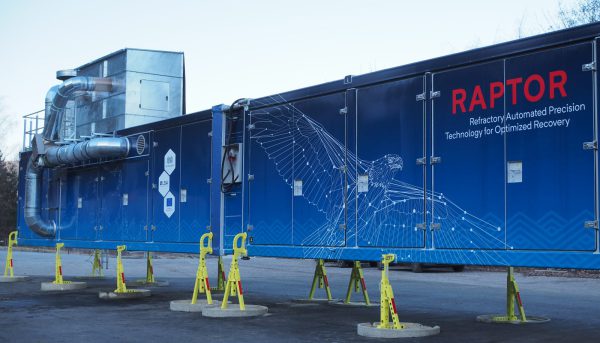
After 42 months of intensive collaboration…

RHI Magnesita has reached a significant milestone…
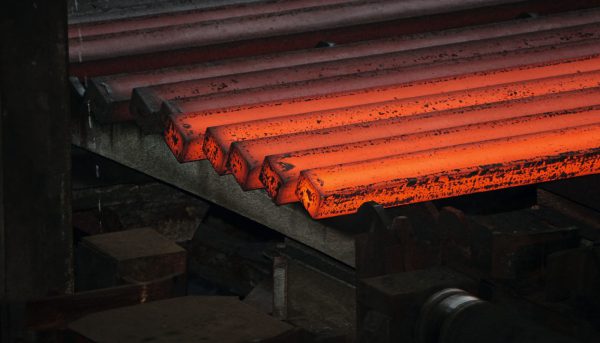
In July 2025, RHI Magnesita successfully completed…
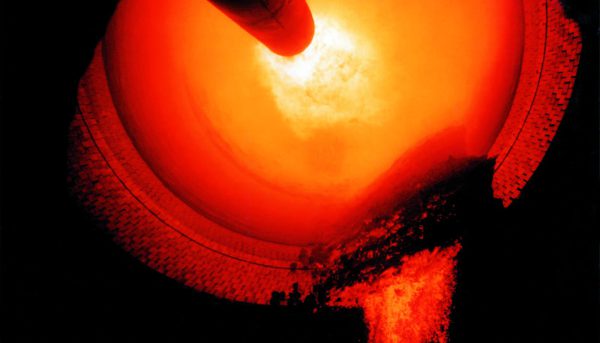
Although cement output in China has remained subdued…
RHI Magnesita has reached a key milestone…