




Circular Brands for Steel

Reduce CO₂ emissions by up to 70 % with RHI Magnesita’s ANCARBON “Circular” Series. Our high-performance Magnesia Carbon bricks are developed for demanding steelmaking environments – designed for today, ready for tomorrow.


Reliable Performance. Circular Design. Sustainable Advantage.

Refractory solutions are evolving – and with our Circular Series, you are not just keeping up, you are shaping what comes next. Built on RHI Magnesita’s proven Magnesia-Carbon expertise and driven by cutting-edge sorting technologies from our joint-venture MIRECO, the ANCARBON “Circular” Series delivers competitive performance with up to a 70% lower environmental footprint

Unlock your CO₂ reduction potential

Contact Us

Lower Carbon Footprint

Up to 4.4 tons CO₂ saved per ton of substituted fused Magnesia.

Circular by Design

Based on years of research and formulation expertise, delivering consistent quality in circular refractory solutions.

Smart Use of Circular Raw Materials

Uses only high-grade inputs, enabled by state-of-the-art sorting and the expertise of our joint-venture MIRECO.

Less Waste. More Value

Helps avoid landfill, preserve raw materials, and contribute directly to your green steel and Scope 3 emission targets.

Local-4-Local Supply

Reduces transport, improves availability, and supports more resilient sourcing.

Leading steel producers are already implementing the ANCARBON "Circular" Series to align performance, sustainability, and resource efficiency.

We are committed to lowering our carbon footprint in every possible aspect, so transitioning from refractories based on virgin raw materials to solutions that incorporate circular material is a great opportunity to reduce our Scope 3 emissions. Recycling spent refractory materials offers significant environmental and economic benefits by reducing waste, conserving resources, and lowering production costs. It makes a real difference having a partner like RHI Magnesita by our side on the journey to more sustainable operations.

Tommie Edeblom
Area Manager, Atomizing Plant at Höganas Halmstad, Sweden

Circular Performance in the Field

Assess real-world performance in steelmaking with our detailed case study. It outlines material efficiency, emissions impact, and the implementation of our circular strategy in collaboration with an industrial partner.

    See how top steel producers achieve sustainable savings.

    Enter your contact details to download the Case Study:


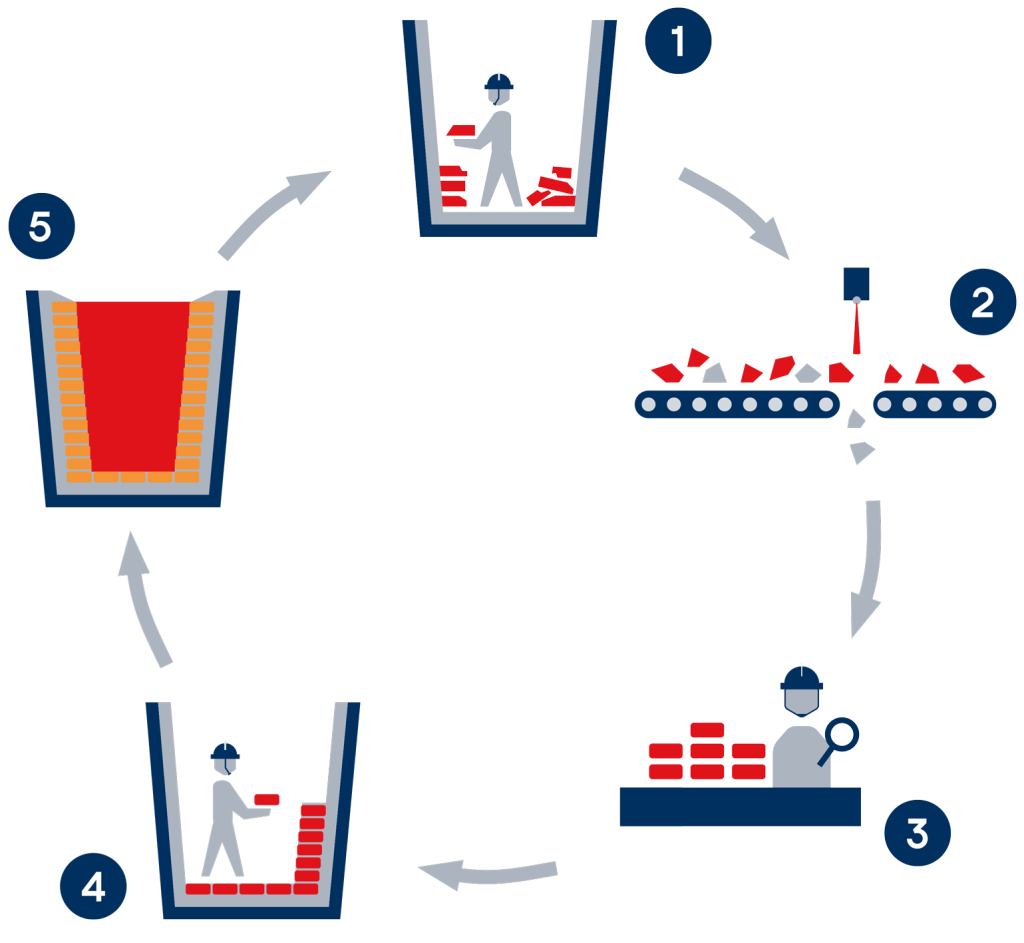
    Closing the Loop – Discover the Circular Approach

    Our circular journey begins and ends at your production vessels. Spent refractory bricks are transformed into a valuable raw material source, extending product lifecycles and reducing waste

    Step 1)

    • Dismantling of lining in vessel.
    • Transport breakout to designated recycling hub of our partner MIRECO

    Step 2)

    • Sorting material with cutting-edge technology like LIBS sensor and HIS camera for precise classification
    • Declaration of End-of-Waste
    • Transport of sorted circular raw material to a close-by production site

    Step 3)

    • Final processing of sorted circular raw material
    • Production of Circular Brands, e.g. ANCARBON “Circular” Series
    • Quality control and storage

    Step 4)

    • Transport to customer site
    • Installation of new lining

    Step 5)

    • Sustainable lining in operation

    Bulletin 2024

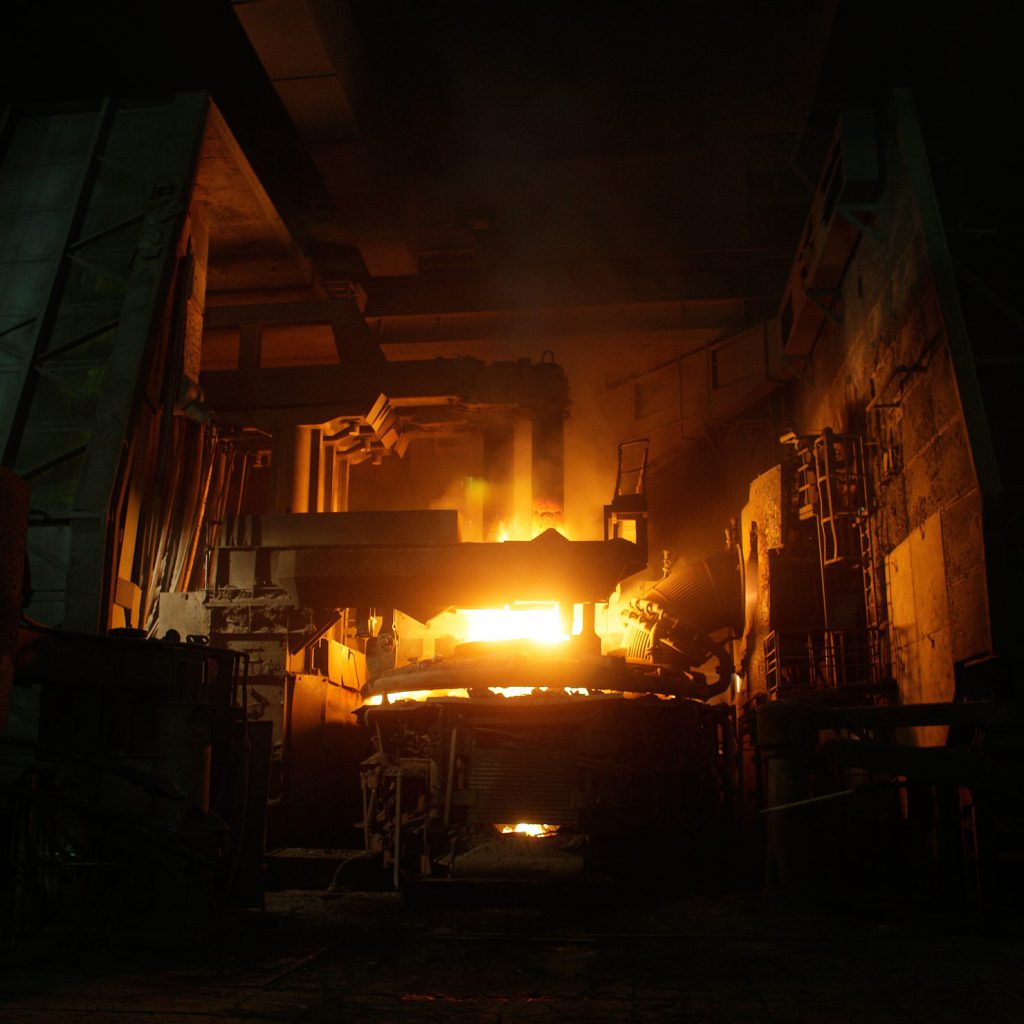
    High-Recycling Containing Magnesia-Carbon Bricks in High-Performance Steelmaking Applications

    RHI Magnesita developed MgO-C bricks with up to 30% recycled content, matching standard performance. This study shows their use in steel ladles and electric arc furnaces.
    Bulletin 2023

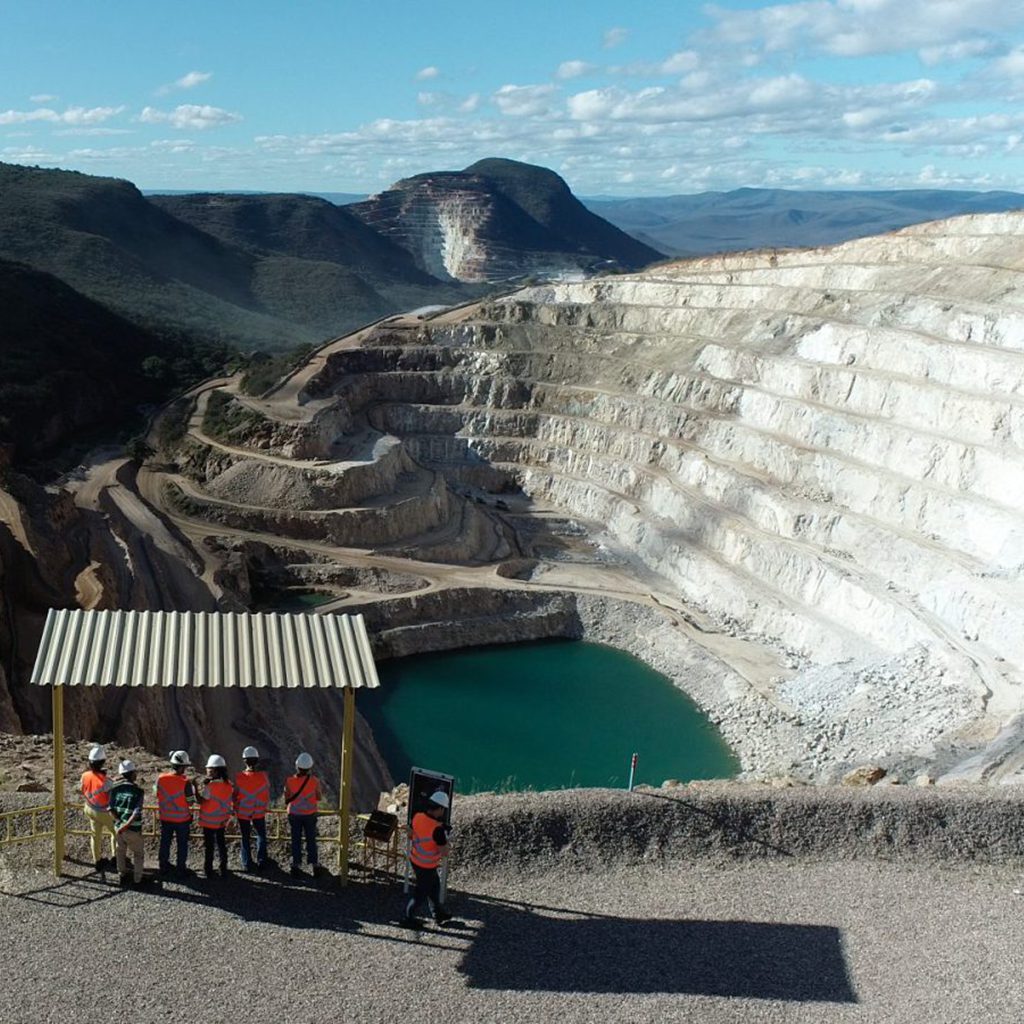
    Product Carbon Footprint of Refractory Products

    The refractory industry faces pressure to decarbonize. RHI Magnesita is leading the way by providing Product Carbon Footprints (PCFs) on nearly all its products' technical data sheets. This pioneering effort helps customers accurately report their own product emissions, driven by a cross-functional team's quantification approach.
    Get more information